
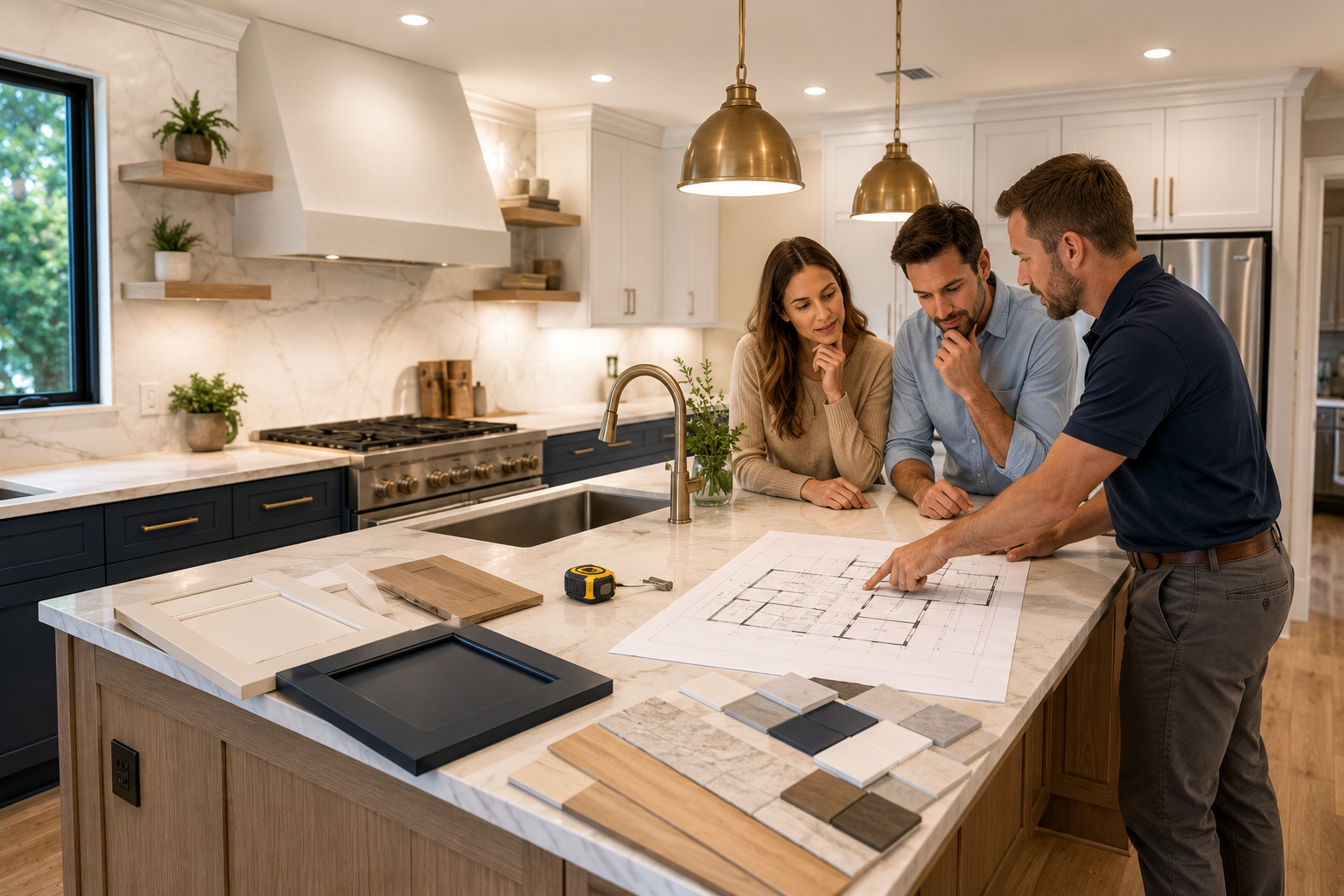
A kitchen remodel can transform one of the most important spaces in your home, improving its appearance, functionality, and long-term value. However, successful kitchen remodeling in Houston requires more than choosing new cabinets and countertops. Careful planning, budgeting, material selection, and professional coordination can make the difference between a smooth renovation and a stressful one.
Houston homeowners also have local factors to consider, including climate, home styles, property layouts, and renovation requirements. By planning each stage carefully, you can create a kitchen that suits your lifestyle while keeping your project organised and financially manageable.
What Is the Best Way to Plan a Kitchen Remodel in Houston?
The best way to plan a kitchen remodel is to establish your goals, budget, and priorities before construction begins. Start by assessing your existing kitchen, decide which features need to change, create a realistic budget, select suitable materials, and work with experienced professionals who can manage the renovation.
A detailed plan helps reduce unexpected costs, delays, and design changes during the project.
1. Define Your Kitchen Remodeling Goals
Before contacting a contractor, determine exactly what you want to achieve with your kitchen renovation.
Ask yourself:
- Does the kitchen need better storage?
- Do you want a more open layout?
- Are the cabinets outdated or damaged?
- Is the lighting inadequate?
- Do you need more countertop space?
- Are you replacing appliances?
- Do you want to modernise the entire kitchen?
Understanding your priorities will help you decide where your renovation budget should go.
For example, a homeowner who primarily needs additional storage may not need to completely change the kitchen layout. In contrast, a family with an inefficient floor plan may benefit from a more extensive remodel.
2. Set a Realistic Kitchen Remodeling Budget
Budgeting is one of the most important parts of kitchen remodeling in Houston. Costs can vary significantly depending on the size of the kitchen, materials, appliances, labour, and complexity of the project.
Your budget should account for more than the obvious expenses. Consider:
- Cabinets
- Worktops and countertops
- Flooring
- Appliances
- Lighting
- Plumbing
- Electrical work
- Painting
- Fixtures and fittings
- Labour
- Permits where required
- Waste removal
- Unexpected repairs
It is also sensible to maintain a contingency allowance for unforeseen issues. Older homes, for example, may reveal plumbing, electrical or structural problems once renovation work begins.
A professional kitchen remodeling company can help you create a realistic estimate before work starts.
3. Evaluate Your Existing Kitchen Layout
A beautiful kitchen is not necessarily a functional kitchen. Before selecting finishes, consider how people currently move through the space.
Think about the relationship between the:
- Refrigerator
- Hob or cooker
- Sink
- Preparation areas
- Storage
- Dining areas
If several people use the kitchen at the same time, sufficient movement and preparation space becomes particularly important.
You may not need to completely change the existing layout. Sometimes moving a cabinet, improving storage, or changing the position of a worktop can make a substantial difference.
4. Choose a Kitchen Style That Suits Your Home
Houston homes feature a wide range of architectural styles, so your kitchen should complement the character of your property.
Popular approaches can include:
- Modern kitchens: Clean lines, simple cabinetry and streamlined finishes.
- Traditional kitchens: Classic cabinets, detailed finishes and timeless materials.
- Transitional kitchens: A combination of traditional details and contemporary design.
- Open-plan kitchens: Designed to connect cooking, dining and living areas.
Rather than choosing a design simply because it is currently fashionable, consider whether it will remain practical and appealing for years to come.
5. Select Durable Materials
Material selection can significantly influence both the appearance and lifespan of your kitchen.
When choosing cabinets, worktops, flooring and fixtures, consider durability, maintenance and everyday use rather than focusing only on appearance.
Houston’s warm and humid climate can also make material selection particularly important. Materials should be appropriate for the conditions in the property and suitable for the level of moisture and daily use they will experience.
A professional can explain the advantages and disadvantages of different options and help you find the right balance between quality and cost.
6. Plan Storage Carefully
Insufficient storage is one of the most common complaints about poorly designed kitchens.
During a remodel, look for opportunities to make better use of available space through:
- Tall cabinets
- Deep drawers
- Pull-out storage
- Corner solutions
- Pantry storage
- Appliance storage
- Organised cabinet interiors
Good storage can make a kitchen feel more spacious even when the physical footprint remains unchanged.
7. Consider Lighting and Electrical Needs
Lighting should be included in the design from the beginning rather than treated as an afterthought.
A successful kitchen lighting plan may combine:
- General ceiling lighting
- Task lighting over worktops
- Under-cabinet lighting
- Pendant lighting
- Accent lighting
You should also consider where appliances and other electrical equipment will be positioned.
If the remodel involves moving appliances or changing the kitchen layout, electrical requirements may need to be updated. Discuss these requirements with qualified professionals before construction begins.
8. Choose Appliances Before Finalising the Design
Appliances can affect cabinet dimensions, electrical requirements and the overall kitchen layout.
If you are installing a new refrigerator, oven, dishwasher or other major appliance, select the models or specifications early enough for them to be incorporated into the design.
This can help prevent problems such as insufficient clearance, incorrect cabinet dimensions, or inconvenient appliance placement.
Energy efficiency should also be considered when choosing new appliances. A slightly higher upfront investment may provide better long-term value through reduced energy consumption.
9. Work With Experienced Kitchen Remodeling Professionals
Professional expertise can make a significant difference to the outcome of your renovation.
Experienced kitchen remodeling Houston professionals can help coordinate design, materials, trades, and construction. They can also identify potential problems before they become expensive issues.
When comparing contractors, consider:
- Previous renovation experience
- Portfolio of completed kitchens
- References and reviews
- Detailed estimates
- Project timelines
- Communication practices
- Licensing or insurance requirements applicable to the work
Avoid choosing a contractor based solely on the lowest price. A detailed, transparent proposal can be more valuable than an unusually low estimate that leaves important costs out.
10. Create a Realistic Remodeling Timeline
Kitchen renovations can temporarily disrupt your normal routine, so understanding the expected timeline is important.
The duration of a project can depend on its size and complexity. A straightforward cosmetic update may take considerably less time than a renovation involving structural changes, plumbing, electrical work, and custom cabinetry.
Ask your renovation professional about:
- Design and planning
- Ordering materials
- Demolition
- Construction
- Cabinet installation
- Worktop installation
- Appliance installation
- Final inspections and finishing work
Ordering materials early can help reduce delays, particularly when custom products are involved.
Common Kitchen Remodeling Mistakes to Avoid
Even well-planned renovations can encounter problems. Homeowners should try to avoid:
- Starting without a clear budget
- Changing the design repeatedly during construction
- Choosing appearance over functionality
- Ignoring storage requirements
- Selecting materials without considering maintenance
- Forgetting about lighting
- Buying appliances too late
- Focusing only on the initial price
- Failing to plan for unexpected costs
Good preparation can help prevent many of these issues.
Final Thoughts
Planning a successful kitchen remodeling project in Houston starts with understanding what you need from your kitchen. Establish your priorities, create a realistic budget, evaluate the layout, and choose durable materials that suit your home and lifestyle.
Working with experienced kitchen remodeling professionals can also make the process more efficient by helping coordinate design, materials, trades, and construction. With careful planning and realistic expectations, your Houston kitchen remodel can create a more functional, comfortable, and attractive space for years to come.
Frequently Asked Questions
How much does kitchen remodeling cost in Houston?
The cost of a kitchen remodel in Houston varies depending on the kitchen’s size, layout, materials, appliances, labour, and scope of work. A professional assessment and detailed estimate can provide a more accurate project budget.
How long does a kitchen remodel take in Houston?
The timeline depends on the complexity of the renovation. Cosmetic updates may be completed relatively quickly, while projects involving layout changes, plumbing, electrical work, or custom cabinetry can take longer.
What should I do before starting a kitchen remodel?
Start by defining your goals, assessing your current kitchen, setting a budget and deciding which features are essential. It is also useful to consult an experienced kitchen remodeling professional before finalising the design.
Is kitchen remodeling worth the investment?
A well-planned kitchen remodel can improve functionality, comfort and the overall appeal of a home. The value of a renovation depends on the quality of the work, the improvements made and the needs of the property.
What are popular kitchen remodeling ideas for Houston homes?
Popular ideas include improved storage, modern cabinetry, larger preparation areas, updated lighting, energy-efficient appliances and layouts designed to improve the connection between the kitchen and living spaces.