
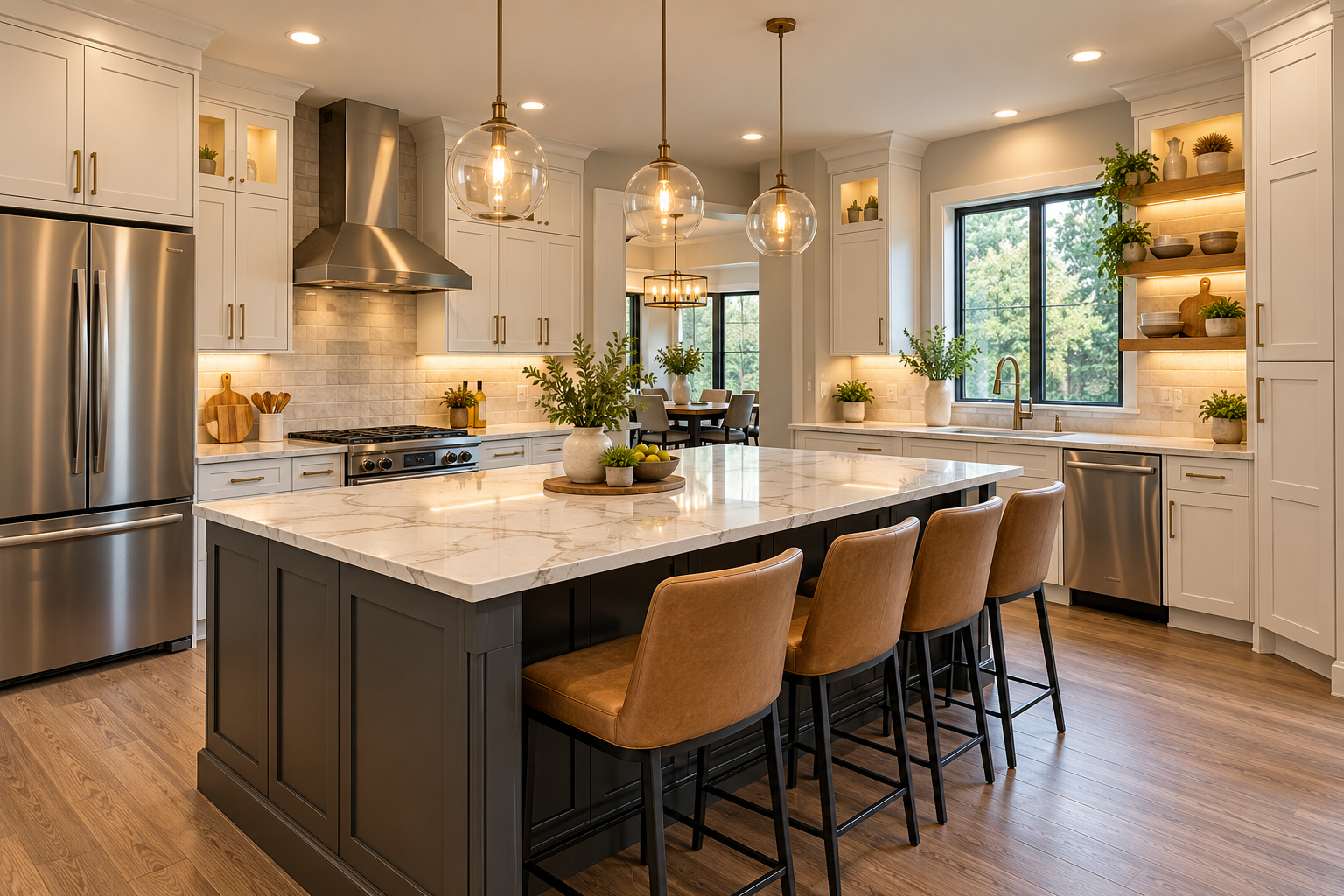
The kitchen is one of the most frequently used spaces in any home. A well-designed kitchen makes cooking easier, improves storage, and creates a welcoming environment for family and guests. For homeowners planning kitchen remodeling Houston projects, the right combination of modern design, durable materials, and functional layouts can transform an outdated kitchen into a comfortable and efficient space.
Whether you want to update your cabinets, replace old countertops, improve lighting, or completely redesign your kitchen, careful planning is essential. Houston homeowners should also consider humidity, ventilation, material durability, and their household’s daily needs when selecting renovation features.
This guide explores practical kitchen remodeling ideas, budgeting considerations, material options, and tips for choosing the right remodeling contractor.
Why Invest in Kitchen Remodeling in Houston?
Kitchen remodeling can improve both the appearance and usability of your home. An outdated layout, insufficient storage, poor lighting, or worn surfaces can make everyday tasks more difficult.
A well-planned renovation can help you:
- Improve functionality: Create a layout that supports cooking, cleaning, and entertaining.
- Increase storage: Add organized cabinets, drawers, and pantry solutions.
- Modernize the appearance: Introduce contemporary finishes, colors, and fixtures.
- Improve durability: Replace worn surfaces with materials suited to regular use.
- Support long-term home value: Maintain an attractive, functional kitchen that appeals to potential buyers.
The best renovation is not necessarily the most expensive one. It is the one that addresses your priorities while balancing design, practicality, and budget.
7 Kitchen Remodeling Ideas for a Modern Houston Home
1. Upgrade Kitchen Cabinets for Better Storage
Cabinets influence the kitchen’s appearance, organization, and available storage. If your existing cabinet boxes are structurally sound, repainting, refinishing, or replacing the doors may provide a fresh look without requiring a complete replacement.
For a more substantial upgrade, consider:
- Shaker-style cabinets for a timeless appearance.
- Flat-panel cabinets for a contemporary design.
- Deep drawers for pots, pans, and cookware.
- Pull-out shelves for easier access to stored items.
- Tall pantry cabinets to maximize vertical space.
- Soft-close hinges and drawer slides for everyday convenience.
When selecting cabinet materials and finishes, consider the kitchen’s ventilation and moisture exposure. Proper installation and suitable finishes can help protect cabinetry from humidity-related damage.
Practical tip: Before replacing cabinets, identify which storage problems you experience most often. A few well-designed drawers or pull-out organizers may be more useful than adding cabinets without a clear plan.
2. Choose Durable Kitchen Countertops
Countertops must withstand food preparation, spills, frequent cleaning, and everyday wear. Selecting the right material is an important part of kitchen countertop installation.
Popular options include:
- Quartz: Offers a consistent appearance and generally requires little maintenance. Follow the manufacturer’s guidance for heat protection and cleaning.
- Granite: Provides natural patterns and good durability when properly installed and maintained.
- Porcelain slabs: Can offer a durable, modern surface, although fabrication and installation require appropriate expertise.
- Butcher block: Adds warmth and natural texture but requires suitable maintenance to protect the wood.
Consider your cooking habits, cleaning preferences, and budget before choosing a countertop. A light-colored quartz surface may suit a contemporary kitchen, while granite can introduce natural variation and visual character.
Ask your contractor to explain the material’s maintenance requirements, seams, edge profiles, and installation specifications.
3. Improve Lighting With Multiple Light Sources
Lighting affects how a kitchen looks and how comfortably you can work in it. A single overhead fixture may leave important areas poorly illuminated.
A more effective design combines three types of lighting:
- Ambient lighting: Recessed fixtures or ceiling lights provide general illumination.
- Task lighting: Under-cabinet lights illuminate countertops used for chopping, cooking, and other preparation.
- Accent lighting: Pendant lights above an island or decorative fixtures highlight important design features.
Whenever possible, maximize natural light through existing windows and use appropriately rated fixtures in areas exposed to moisture.
For Houston homes, effective ventilation is equally important. A properly selected and installed range hood can help remove cooking fumes, grease, heat, and excess moisture from the kitchen.
4. Add Smart Storage Solutions
Insufficient storage can make even a beautiful kitchen feel cluttered. Smart storage solutions help you organize frequently used items without unnecessarily increasing the kitchen’s footprint.
Consider incorporating:
- Pull-out spice racks near cooking areas.
- Deep drawers for pots and pans.
- Vertical dividers for baking sheets and cutting boards.
- Corner cabinet organizers.
- Dedicated recycling and trash pull-outs.
- Pantry shelving with adjustable heights.
Think about the sequence of everyday kitchen activities. Keeping cooking utensils near the stove, dishes near the dishwasher, and preparation tools near the main countertop can make the space easier to use.
5. Update Fixtures and Hardware
Replacing outdated fixtures is a practical way to refresh a kitchen without changing its entire layout.
Modern kitchen design ideas include brushed nickel, matte black, stainless steel, and warm metallic finishes. Coordinating cabinet handles, faucets, and lighting fixtures can create a cohesive appearance.
A pull-down kitchen faucet may improve convenience, while a properly sized sink can make washing cookware easier. Water-efficient fixtures can also help reduce unnecessary water consumption.
Choose finishes based on maintenance requirements and how well they complement your cabinets, countertops, and appliances.
6. Select Flooring That Suits Your Lifestyle
Kitchen flooring should withstand regular foot traffic, spills, cleaning, and dropped objects. It should also complement the rest of your home.
Common choices include:
- Porcelain tile: Durable, moisture-resistant, and available in many colors and patterns.
- Luxury vinyl flooring: Offers a range of styles and can provide a comfortable surface underfoot, depending on the product.
- Engineered wood: Creates a warm appearance, but suitability depends on the product’s moisture tolerance and installation requirements.
Houston’s humid climate makes moisture management especially important. Select flooring designed for the intended environment and ensure the subfloor is properly prepared before installation.
For busy households, consider slip resistance, ease of cleaning, and the practical maintenance needs of the material.
7. Create an Efficient Kitchen Layout
A functional layout can make a greater difference than expensive finishes. The arrangement should support movement between the refrigerator, sink, cooking area, and preparation surfaces.
Common kitchen layouts include:
- L-shaped: Works well in many open or medium-sized kitchens.
- U-shaped: Provides extensive countertop and storage space.
- Galley: Uses two parallel runs of cabinets and can work efficiently in narrower spaces.
- Island layout: Adds preparation space, seating, and storage when sufficient clearance is available.
Before finalizing the design, consider appliance door swings, walking paths, electrical outlets, plumbing locations, and space for multiple people to work comfortably.
If you are planning to remove a wall or relocate major appliances, have the proposed changes evaluated for structural, electrical, plumbing, and ventilation requirements.
How to Plan Kitchen Remodeling in Houston on a Budget
A successful renovation begins with a realistic budget and a clear understanding of priorities.
Establish Your Must-Haves
Divide your plans into essential improvements and optional upgrades.
For example, replacing damaged cabinets, improving ventilation, or correcting an inefficient layout may be more important than installing decorative lighting or premium hardware.
Understand the Factors That Affect Costs
The cost of kitchen remodeling Houston projects varies according to the size and condition of the kitchen, selected materials, labor requirements, and scope of work.
Important cost factors include:
- Cabinet replacement versus refinishing.
- Countertop material and installation complexity.
- Appliance upgrades.
- Plumbing and electrical modifications.
- Flooring removal and installation.
- Structural changes and ventilation improvements.
- Permit requirements and inspection fees, where applicable.
Request a written estimate that separates labor, materials, allowances, and additional services. Keep a contingency reserve for unexpected issues, particularly when renovating an older kitchen.
Avoid Changes After Construction Begins
Late design changes can increase costs and extend the project timeline. Finalize the layout, material selections, appliance dimensions, and fixture specifications before work begins whenever possible.
Ask your contractor how changes will be documented, priced, and approved.
What to Consider When Hiring Kitchen Remodeling Contractors
Choosing the right professional can help you manage quality, communication, and project expectations.
When comparing Houston kitchen remodeling services, use the following checklist:
- Verify experience: Look for contractors with experience completing projects similar to yours.
- Review references: Ask for recent client references and examples of completed kitchens.
- Check credentials: Verify applicable licenses, insurance, and registrations based on the work being performed.
- Compare detailed estimates: Review the scope, material specifications, exclusions, payment schedule, and warranty terms.
- Confirm project management: Establish who will coordinate subcontractors, inspections, deliveries, and site cleanup.
- Discuss permits: Confirm which permits and inspections are required for your particular project and who is responsible for obtaining them.
Houston-area projects may fall under different jurisdictional requirements depending on the property’s location. Confirm applicable rules with the relevant local building department rather than assuming the same requirements apply everywhere.
A reliable kitchen remodeling contractor should explain the proposed work clearly, answer questions, and provide realistic expectations about costs and scheduling.
How Long Does a Kitchen Renovation Take?
The timeline depends on the renovation’s complexity, material availability, contractor scheduling, inspection requirements, and unexpected conditions.
A cosmetic update involving cabinet refinishing, new hardware, and lighting may take substantially less time than a complete renovation involving new cabinetry, countertops, flooring, plumbing, and electrical work.
Before signing a contract, ask for a project schedule covering demolition, preparation, installation, inspections, and final walkthroughs.
Also discuss how the household will manage meals and daily activities while the kitchen is unavailable. Planning a temporary cooking area can make the renovation more manageable.
Conclusion
A functional, modern kitchen starts with thoughtful planning. From cabinet upgrades and durable countertops to better lighting, efficient storage, and improved layouts, the right choices can make your kitchen more attractive and practical for everyday living.
For homeowners considering kitchen remodeling in Houston, balancing style, durability, budget, and local building requirements is essential to achieving a successful result.
Explore professional kitchen remodeling services to discuss your ideas, compare design options, and develop a renovation plan tailored to your home.
Frequently Asked Questions
1. How much does kitchen remodeling in Houston cost?
Kitchen remodeling costs depend on kitchen size, material quality, labor, layout changes, and the condition of existing plumbing and electrical systems. Cosmetic updates generally involve less work than complete renovations. Request detailed estimates from qualified contractors to compare costs for the same scope of work.
2. How long does a kitchen remodeling project take?
Project duration varies according to the work involved, material lead times, contractor availability, and required inspections. Cosmetic improvements may be completed faster than full renovations. Ask for a written schedule that identifies major milestones and potential delays.
3. Are kitchen cabinet upgrades worth it?
Cabinet upgrades can improve storage, appearance, and everyday usability. If the existing cabinet boxes are in good condition, refinishing or replacing doors may be sufficient. Damaged cabinets or an inefficient layout may justify a complete replacement.
4. What are the best materials for a Houston kitchen?
Quartz, granite, porcelain tile, and appropriately selected cabinetry can be suitable options. The best choice depends on maintenance preferences, durability, budget, and exposure to moisture. Good ventilation, proper installation, and following manufacturer care instructions are important in Houston’s humid climate.
5. How do I choose the right kitchen remodeling contractor?
Compare relevant experience, references, insurance, applicable credentials, written estimates, warranties, and communication practices. Confirm permit responsibilities before work begins. Choose a contractor who clearly documents the scope, schedule, payment terms, and process for approving changes.