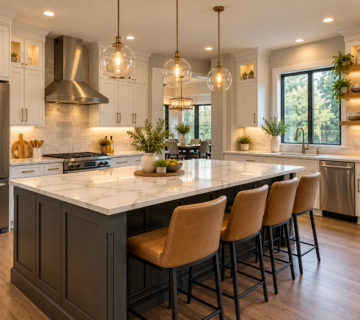

A successful home renovation starts with a clear plan, a realistic budget, and the right professionals. Whether you want to modernize your kitchen, remodel your bathroom, upgrade your flooring, or improve your home’s functionality, careful preparation can help you avoid unnecessary delays and costly mistakes. Working with experienced home renovation experts can also help you make informed decisions about materials, design, project scheduling, and construction requirements.
For homeowners planning a renovation, understanding each stage of the process is essential. From defining your goals to selecting a contractor and preparing for unexpected challenges, a structured approach helps keep your project organized. This guide explains how to plan a successful home renovation while balancing style, functionality, durability, and budget.
Why Should You Work With Home Renovation Experts?
Home renovations involve more than choosing attractive finishes and updating outdated spaces. They may require structural assessments, electrical or plumbing work, material coordination, permits, and multiple construction stages.
Professional home renovation services can help homeowners coordinate these requirements and make decisions that support their property’s needs.
Here are some key benefits of working with home improvement experts:
- Better project planning: Establish clear objectives, priorities, and schedules before construction begins.
- Material guidance: Compare materials based on durability, maintenance, appearance, and budget.
- Coordinated work: Organize different trades and construction activities more efficiently.
- Attention to requirements: Identify potential permit, inspection, and building-code considerations.
- Consistent communication: Maintain a shared understanding of project scope, costs, and expectations.
If you are considering Houston home renovation services, choose a professional who understands the property’s condition and the applicable local requirements.
1. Establish Clear Renovation Goals
Before contacting home remodeling contractors, determine what you want your renovation to accomplish. A clear purpose helps you focus your spending on improvements that matter most.
Identify Your Main Priorities
Start by assessing your current living space. Consider which areas need repairs, which features no longer meet your needs, and which improvements would make everyday life easier.
For example, your priorities might include:
- Updating an outdated kitchen to improve storage and workflow.
- Remodeling a bathroom to improve accessibility and usability.
- Replacing worn flooring with a durable, easier-to-maintain option.
- Improving lighting to make rooms brighter and more comfortable.
- Reconfiguring living areas to create more functional spaces.
Separate essential repairs from optional upgrades. Addressing water intrusion, deteriorating materials, or other underlying problems may be more important than cosmetic improvements.
Create a Practical Project Scope
List the work you want completed in each room. Be specific about the desired outcome, materials, fixtures, and functional changes.
A written scope helps you compare contractor estimates accurately and reduces confusion about what is included in the project.
2. Create a Realistic Home Renovation Budget
Budgeting is one of the most important parts of home renovation planning. Your budget should cover the complete project rather than just the visible materials and construction work.
Account for All Major Expenses
Depending on the project, your renovation budget may include:
- Labor and contractor fees.
- Materials, fixtures, and appliances.
- Demolition and debris removal.
- Electrical, plumbing, or structural work.
- Permit fees and required inspections.
- Design services and other professional fees.
- Temporary accommodation or storage, if necessary.
- Unexpected repairs discovered during construction.
Request an itemized estimate to understand how the proposed price is allocated. Ask contractors to clarify exclusions, allowances, payment milestones, and the process for approving additional work.
Maintain a Contingency Fund
Renovation projects can uncover hidden problems, such as damaged subflooring, outdated wiring, or moisture-related deterioration. Setting aside a contingency fund helps you prepare for these possibilities.
The appropriate reserve depends on the property’s condition, project complexity, and uncertainty. Discuss a suitable allowance with your contractor instead of assuming that every renovation will follow the original estimate exactly.
3. Prioritize Projects Before Construction Begins
When several areas need improvement, decide which projects should happen first. A priority-based plan helps you allocate available funds effectively.
Address Repairs Before Cosmetic Upgrades
Start with problems that could affect safety, structural integrity, or the longevity of your improvements. These may include roof leaks, plumbing problems, electrical concerns, or moisture damage.
Once underlying issues are addressed, you can move on to finishes and decorative upgrades.
Consider How Projects Affect Each Other
Some renovation tasks are easier and more efficient to coordinate together. For example, updating the lighting during a kitchen renovation may reduce the need to revisit finished walls or ceilings.
Discuss the sequence of work with your contractor. Planning related projects together can help avoid duplicated labor and unnecessary disruption.
4. Choose Materials That Balance Style and Durability
Materials influence your home’s appearance, maintenance requirements, and long-term performance. The right choices depend on how each space is used, your budget, and the level of maintenance you are comfortable with.
Evaluate Materials for Each Room
Consider the following factors when selecting renovation materials:
- Kitchen: Choose countertops, cabinets, and flooring that suit your cooking habits and cleaning needs.
- Bathroom: Consider moisture resistance, slip resistance, ventilation, and ease of maintenance.
- Flooring: Compare durability, comfort, appearance, and suitability for the room’s moisture conditions.
- Lighting: Combine general, task, and accent lighting where appropriate.
- Living spaces: Select finishes that complement your lifestyle and support everyday use.
Finalize Selections Early
Choose major materials, fixtures, appliances, and finishes before the relevant construction stages begin. Some items may require special ordering or have longer delivery times.
Your contractor can help identify when each selection is needed and whether the materials are compatible with the planned installation. Confirm product specifications, availability, and delivery schedules before committing to the timeline.
5. Develop a Realistic Renovation Timeline
A renovation timeline helps you understand what happens at each stage and how the work may affect your household.
The duration depends on the project’s size, complexity, material availability, permitting requirements, and the condition of the property. A cosmetic update may take considerably less time than a renovation involving structural changes or multiple rooms.
Break the Project Into Phases
A typical renovation may include:
- Initial consultation and property assessment.
- Project planning, design, and material selection.
- Permit applications and approvals, when required.
- Demolition and preparation.
- Structural, plumbing, electrical, or other essential work.
- Installation of flooring, cabinets, fixtures, and finishes.
- Final inspections, corrections, and project walkthrough.
Ask your contractor to provide a written schedule with estimated start dates, milestones, and dependencies. Discuss how delays will be communicated and how changes may affect completion.
If you are renovating a kitchen or bathroom, plan how you will manage meals, bathing, storage, and other daily activities while the space is unavailable.
6. How to Choose the Right Home Renovation Experts
Selecting a qualified contractor is essential to managing a renovation successfully. Compare several professionals rather than choosing solely on the lowest quoted price.
Verify Experience, References, and Requirements
Before hiring home renovation experts, consider these steps:
- Review examples of completed projects similar to yours.
- Request references from previous clients.
- Verify applicable licensing and registration requirements for the location and type of work.
- Confirm that the contractor carries appropriate insurance, including general liability coverage and workers’ compensation where applicable.
- Ask who will supervise the project and coordinate subcontractors.
- Review the proposed contract before signing.
If your property is in Houston, verify the applicable requirements with the relevant local authorities. Licensing, registration, permitting, and inspection requirements can vary by trade and project scope.
Compare Written Estimates Carefully
Request detailed estimates that describe the work, materials, labor, expected schedule, and exclusions. Make sure each contractor is quoting a comparable scope.
A lower estimate may exclude important tasks or specify different materials. Ask questions before making a decision, and avoid relying on verbal promises about price or completion dates.
Establish Communication Expectations
Agree on how often you will receive updates, who will answer questions, and how changes will be approved.
A written change-order process is particularly important. Any proposed change should clearly document the revised scope, additional cost or credit, and schedule impact before the work proceeds.
7. Understand Permits and Other Requirements
Some renovations require permits or inspections, particularly when work affects structural components, electrical systems, plumbing, or other regulated building elements.
Do not assume that interior renovations are automatically exempt from permitting requirements.
Before construction begins, ask your contractor which permits and inspections may apply and who is responsible for obtaining them. Confirm the requirements with the appropriate local building department.
Skipping required approvals can create compliance issues, delay construction, or complicate a future property sale. Permit requirements should therefore be part of your planning process, not an afterthought.
8. Avoid Common Home Renovation Planning Mistakes
Even well-intentioned homeowners can encounter problems when important decisions are delayed or overlooked.
Watch out for these common mistakes:
- Underestimating expenses: Account for labor, permits, deliveries, disposal, and possible hidden repairs.
- Choosing materials too late: Delayed selections can disrupt ordering and installation.
- Ignoring permits: Verify requirements before starting regulated work.
- Changing the design repeatedly: Late changes can increase costs and extend the schedule.
- Focusing only on appearance: Prioritize functionality, safety, durability, and maintenance.
- Failing to document agreements: Keep estimates, contracts, selections, approvals, and change orders in writing.
- Overlooking daily disruption: Plan for dust, noise, restricted access, and temporary changes to your routine.
Professional residential renovation services can help you identify potential challenges early, but homeowners should remain involved in decisions and approvals throughout the project.
9. Make Your Renovated Home More Functional
A successful renovation should improve how your home works, not just how it looks. Consider your household’s current needs and how they may change over time.
For example, kitchen remodeling can improve storage and workflow, while bathroom remodeling can make daily routines more convenient. Updated flooring may create a more consistent appearance across connected rooms, and improved lighting can support different activities throughout the day.
When planning improvements, consider storage, circulation, natural light, ventilation, accessibility, and maintenance. These practical details can have a lasting effect on your satisfaction with the finished space.
If you need help coordinating several improvements, home renovation experts can help you develop a plan that balances design preferences with practical requirements.
Conclusion
Planning a successful home renovation requires clear goals, realistic budgeting, thoughtful material selection, and reliable project management. By prioritizing essential repairs, understanding permit requirements, and comparing contractors carefully, you can make more informed decisions throughout the renovation process.
Experienced home renovation experts can help you turn your ideas into a practical plan that balances design, functionality, and budget. If you’re ready to improve your home, discuss your renovation goals with a qualified professional to determine the right next steps.
Frequently Asked Questions
1. How much should I budget for a home renovation?
Your renovation budget depends on the project’s size, material choices, labor requirements, property condition, and location. Request itemized estimates from qualified contractors and include a contingency fund for unexpected issues. Prioritize essential repairs before optional upgrades.
2. How long does a typical home renovation take?
The timeline depends on the scope of work, permitting, material availability, and construction complexity. Smaller cosmetic projects may take less time than renovations involving kitchens, bathrooms, structural changes, or multiple rooms. Request a project-specific schedule from your contractor.
3. How do I choose reliable home renovation experts?
Review relevant project experience, references, written estimates, insurance coverage, and applicable licensing requirements. Compare the proposed scope and materials, verify responsibilities, and ensure the contract explains payment terms, timelines, exclusions, and change orders.
4. Do I need permits for a home renovation?
Some projects require permits, particularly those involving structural modifications, plumbing, electrical systems, or other regulated work. Requirements vary by location and project scope. Check with the relevant building department and confirm who will obtain the necessary approvals.
5. What should I prioritize when planning a home renovation?
Start by addressing safety concerns, structural problems, leaks, and other essential repairs. Next, establish your budget, define the project scope, and prioritize improvements that offer the greatest practical value. Finalize materials and coordinate the construction schedule before work begins.